
Myofascial Release and Structural Integration: Treat the Cause of Pain, Not Just the Symptoms
Discover how myofascial release and structural integration can help relieve muscle tension, improve mobility and address recurring foot and ankle pain. Learn why treating the body as a connected system, rather than focusing solely on symptoms, may support better long-term musculoskeletal health.
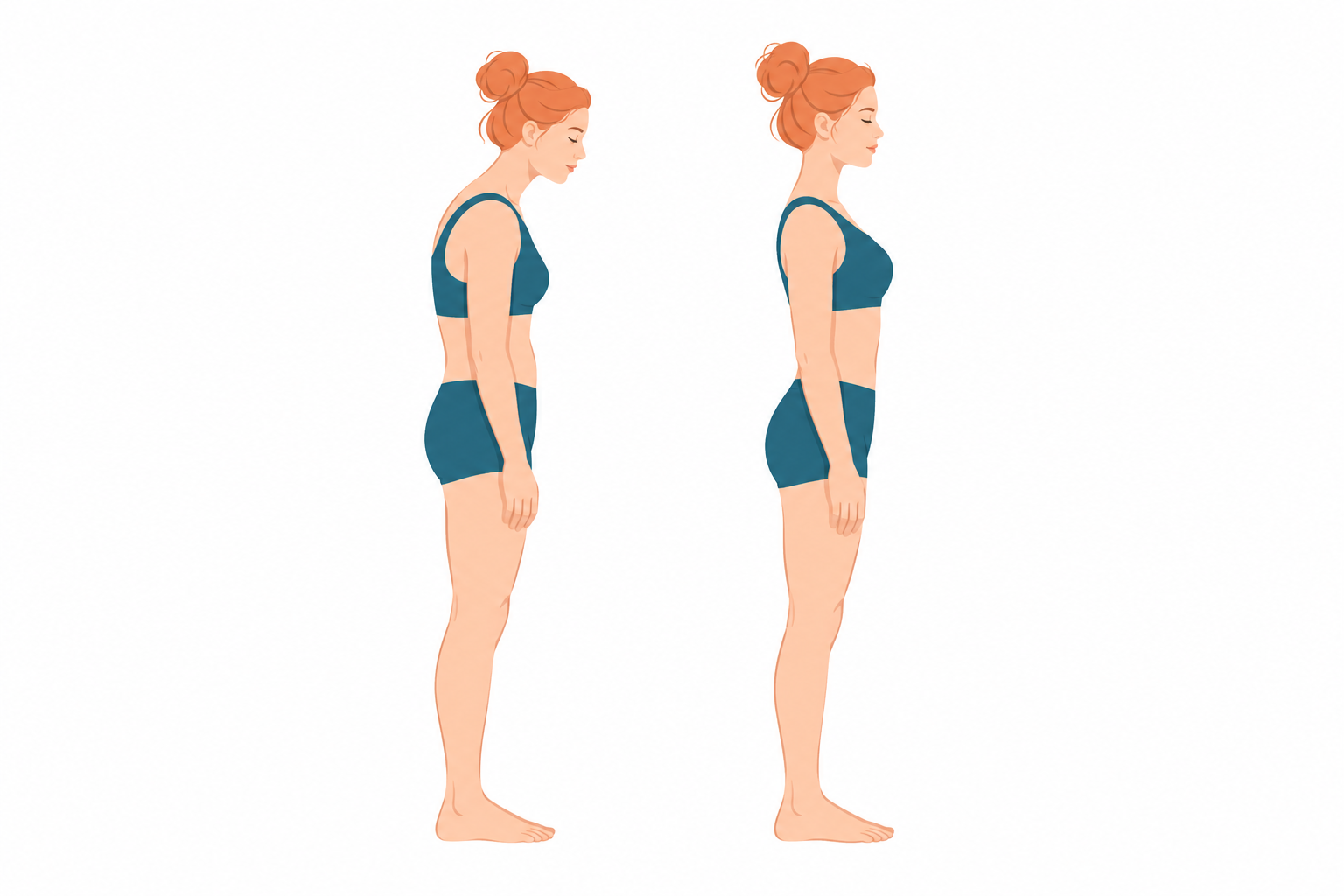
When dealing with persistent foot pain, lower limb injuries or recurring muscle discomfort, treatment often focuses on the area where the pain is felt. However, the underlying factors contributing to that pain may involve other parts of the body.
This is where myofascial release therapy and structural integration can play an important role. By considering the body's interconnected muscles, fascia, joints and movement patterns, these approaches aim to improve mobility, reduce discomfort and address contributing factors rather than focusing solely on symptoms.
What Is Fascia and Why Is It Important?
Fascia is a continuous, three-dimensional network of connective tissue that surrounds and connects muscles, bones, nerves, blood vessels and organs throughout the body.
Rather than simply acting as passive structural wrapping, fascia contributes to movement, force transmission, stability and communication between different tissues.
Thomas Myers and other researchers and practitioners have helped popularise the concept of the body as an interconnected myofascial system.
David Lesondak also explores fascia's wider role in the body, using the analogy of an orchestra conductor to illustrate how connective tissue helps coordinate different structures and physiological processes.
When fascia becomes stiff, sensitive or restricted, it may contribute to discomfort and limitations in movement. However, pain is complex and can also involve muscles, joints, nerves and other factors.
Understanding these relationships is an important part of assessing persistent musculoskeletal pain.
What Is Myofascial Release Therapy?
Myofascial release is a hands-on treatment approach involving sustained pressure, stretching and other manual techniques applied to muscles and surrounding connective tissues.
It is commonly used to help:
- Reduce muscular tension and discomfort
- Improve flexibility and range of movement
- Support recovery from certain musculoskeletal injuries
- Address movement restrictions
- Improve comfort during everyday activities and exercise
Myofascial release is sometimes incorporated into a broader approach known as Structural Integration, which considers posture, movement and the relationship between different regions of the body.
Although some patients experience improvements in pain and mobility, scientific evidence for the long-term effectiveness of myofascial release remains mixed. Treatment is therefore best considered as part of an individualised assessment and rehabilitation programme.
Why Treating Pain Alone May Not Solve the Problem
Imagine taking your car for an MOT while ignoring its wheel alignment, steering and suspension.
You might replace a set of worn tyres, but if the underlying wheel alignment problem remains unresolved, the new tyres could wear unevenly again.
The same principle can sometimes apply to the human body.
For example, recurring foot or ankle discomfort may be influenced by factors such as:
- Reduced ankle mobility
- Weakness or altered movement patterns around the hips
- Changes in walking or running mechanics
- Muscle tightness or reduced flexibility
- Foot posture and load distribution
- Previous injuries affecting movement and stability
Simply treating the painful area without assessing relevant contributing factors may mean that an important part of the problem is overlooked.
The goal should be to understand why pain keeps returning, not simply where it hurts.
The Connection Between Your Feet, Hips and the Rest of Your Body
Your feet are the foundation of many everyday movements, but they do not function independently from the rest of your body.
Every time you walk, run or stand, your feet, ankles, knees, hips and spine work together to manage forces and maintain balance.
For example, limited ankle movement can influence how the knee and hip move during walking or exercise. Similarly, reduced strength or control around the hip may affect lower limb mechanics.
This does not mean that every foot problem originates elsewhere in the body. Many conditions have local causes that require specific treatment.
However, where symptoms are persistent or recurring, a broader biomechanical assessment can help identify relevant movement limitations and contributing factors.
How Structural Integration and Myofascial Release May Help
Structural Integration takes a whole-body perspective, considering how posture, movement habits and muscular tension may interact.
Rather than concentrating exclusively on the site of discomfort, practitioners may examine how different areas of the body function together.
Depending on the individual's needs, treatment may involve myofascial release, manual therapy, mobility exercises, strengthening and movement rehabilitation.
For people experiencing recurring foot and ankle problems, this approach may complement other treatments such as physiotherapy, gait analysis or orthotic management.
Importantly, no single treatment is appropriate for every condition, and lasting improvement often requires a combination of approaches.
A Whole-Body Approach to Long-Term Pain Management
If you repeatedly experience the same injury or struggle with ongoing lower limb discomfort, it may be worth considering whether other factors are contributing to the problem.
A comprehensive assessment can examine not only the painful area but also the strength, mobility and movement patterns of the surrounding structures.
Addressing relevant contributing factors may help improve physical function, support rehabilitation and reduce the likelihood of certain recurring injuries.
The most effective approach is one tailored to your individual symptoms, medical history and physical needs.
Treat the System, Not Just the Symptom
Pain is not always an isolated problem. The body's interconnected structures can influence how we move, distribute weight and respond to physical stress.
Myofascial release and structural integration offer approaches that consider these relationships, encouraging a broader understanding of musculoskeletal health.
Treat the system, not just the symptom.
Myofascial Release Therapy at Foot & Ankle Centre
At Foot & Ankle Centre, we understand that persistent foot, ankle and lower limb pain can sometimes involve more than the area where symptoms first appear.
Our approach includes assessing relevant biomechanical and musculoskeletal factors to help identify potential contributors to discomfort and restricted movement.
Whether you are experiencing recurring foot pain, muscular tension, sports-related injuries or movement difficulties, our team can assess your needs and discuss suitable treatment options.
Ready to take the next step towards better movement and comfort?
Book an appointment at Foot & Ankle Centre to discuss myofascial release, biomechanical assessment and personalised treatment options.